Beyond the Archive: Oral History and Social Change
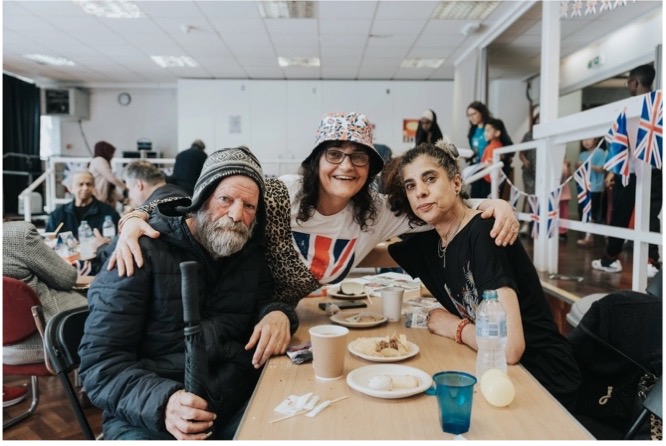
Featured image: Coronation Party, 2023. Photo: Adam Rowley For a further discussion of the project and the issues raised in this post please see ‘Intersecting Lives: class community and change on the Andover estate’ Oral History

Collaborative Biography: Reflections on Memory, Method, and Positionality
About half a year into my interviews with Aluízio Palmar, a former political prisoner and torture victim, I asked whether he wanted to co-author the book that I was writing about his life. Prior to

Talking with the Hippies
This article highlights Tom Widdicombe’s podcast Talking With The Hippies (TWTH) as an unconventional, but deeply effective, oral history archive.

Staying with it in 2024
Featured image: ‘Red Ronnie’ Campbell holding a copy of Robert’s book, Backbone of the Nation. Photo: Anna Campbell and Margaret Todd. Our shared research in the British coalfields has been immensely rewarding. ‘Staying with it’, appearing in Oral History, 52.2
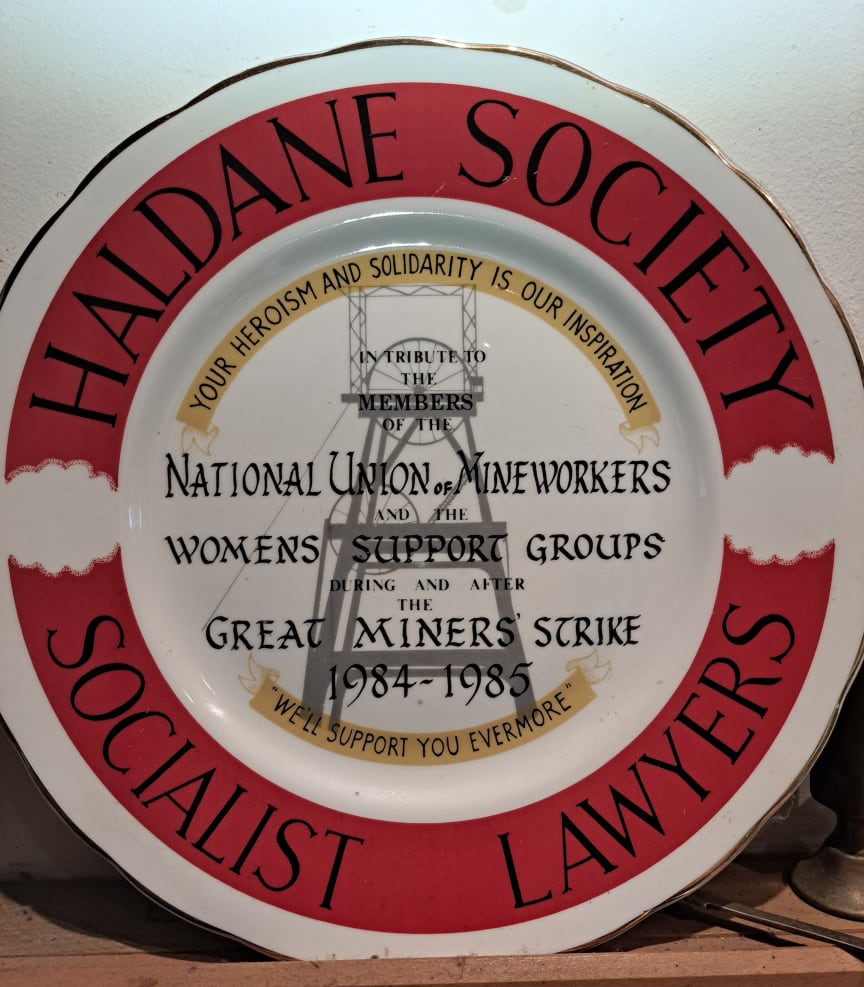
‘Which side are you on?’: legal solidarity and the 1984-1985 miners’ strike
In this piece, Joanna Gilmore shares insights from her research into the lawyers who supported striking miners in the 1984-5 miners’ strike. You can read more about this in her article, ”They really did us
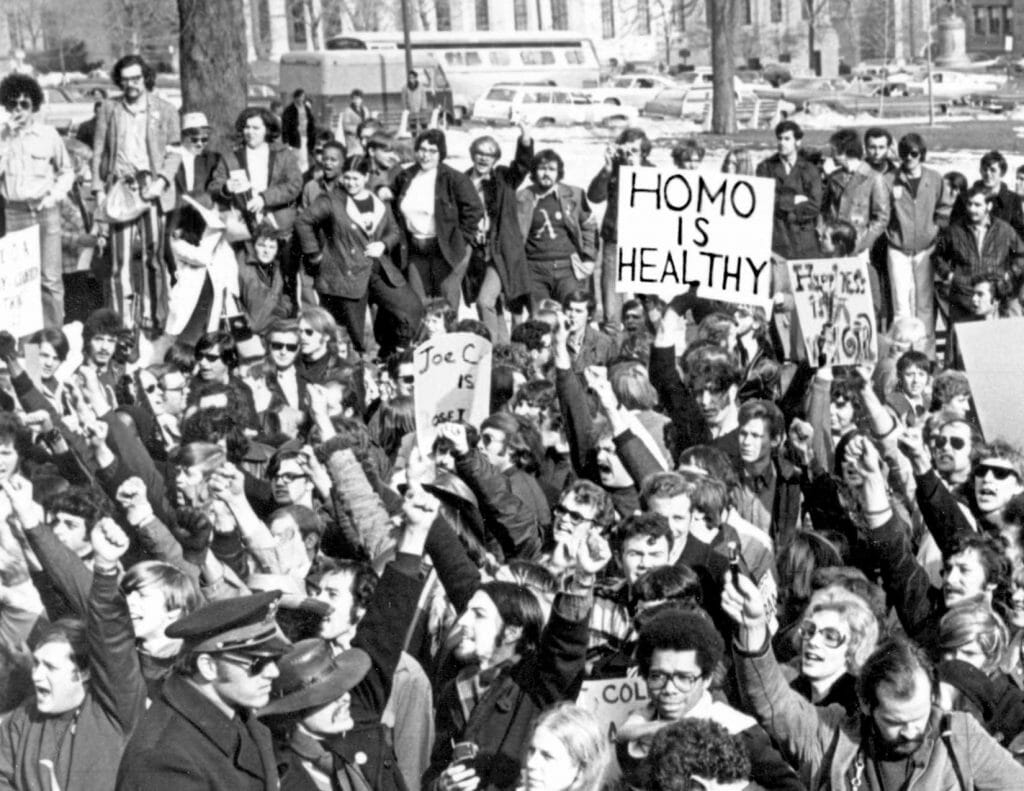
When Homosexuality Was classified as Illness – Until Gay Rights Activists Fought Back.
A conversation with Patrick Sammon, Co-Director of the documentary CURED Featured image: Richard C. Wandel Photographs, The LGBT Community Center National History Archive In 1972, at the annual meeting of the American Psychiatric Association (APA)