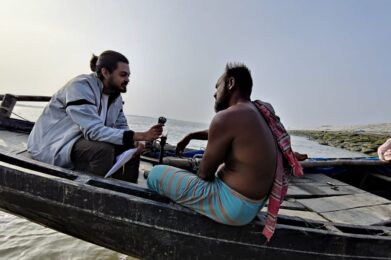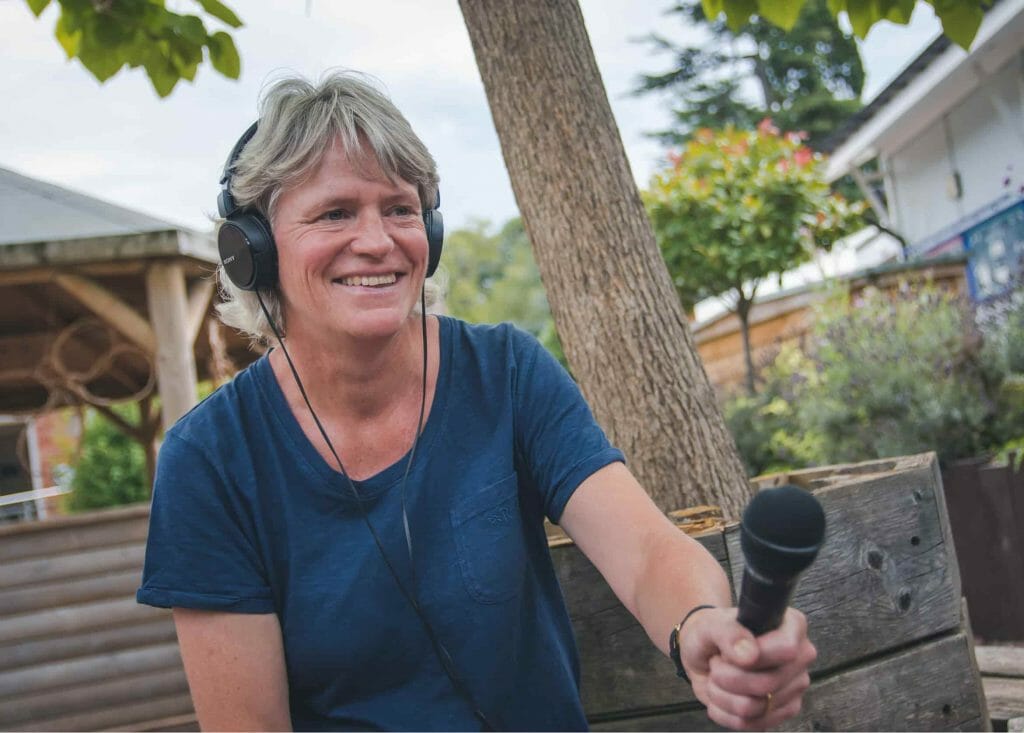
A few months ago I was invited by fellow freelancers to join a panel at the Oral History Society Conference entitled ‘My Life as an Oral Historian’. I was looking forward to talking about the job I have done for over 20 years, since resigning from the BBC. Unfortunately, I wasn’t able to attend the OHS conference but I still wanted to contribute in some way so decided to send an email to my fellow panellists summing up ‘My Life as an Oral Historian’. This is easier said than done. When people ask me about my job, I end up saying ‘It’s complicated’. So, having failed to come up with a succinct definition, I ended up compiling a list of all the things I’d done in the previous 3 days. It perhaps gives readers a glimpse into the very varied world of grass roots oral history.
- On Wednesday morning I finished editing an extract from a recorded conversation between two long-standing volunteers for the Canal and River Trust. This was a bit like Radio 4’s Listening Project; an informal chat between two people with a shared interest in the canals reminiscing about their past experiences. The conversations will appear shortly on the Canal and River Trust’s website as part of their 10th anniversary celebrations.
- I also advised a PHD student on using his grandfather’s personal archive recorded on cassette tapes in the 1970s charting his life in South Wales during the mining strikes. I spend a lot of time advising people. It’s part of my job as an OHS Regional Networker and I’m also regularly contacted by the National Lottery Heritage Fund’s local office to talk to people about their oral history plans before they put applications in.
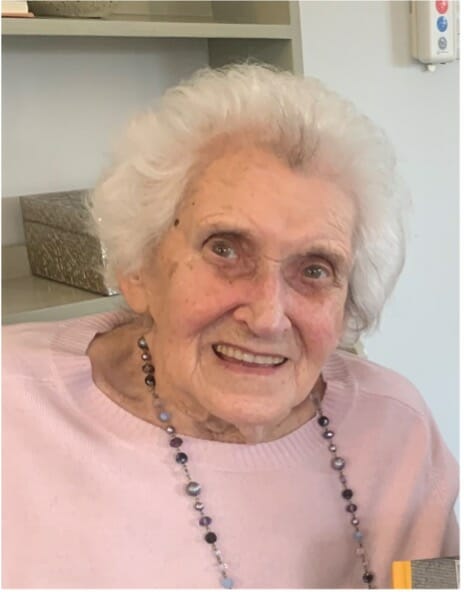
- On Wednesday afternoon I interviewed a wonderful 95-year-old lady, Irene, about her memories of the only WW2 bomb that killed people in Worcester. Worcester was lucky to avoid most of the intense bombing that hit nearby cities like Birmingham, Coventry, and Gloucester but the street Irene lived in was half demolished by a bomb that hit the nearby MECO factory and killed 7 people. Her memory was sharp and her experiences harrowing. Extracts from the recording will be uploaded to a digital map called ‘Know Your Place Worcester’ as part of a project called Worcester Life Stories. https://worcesterlifestories.wordpress.com/
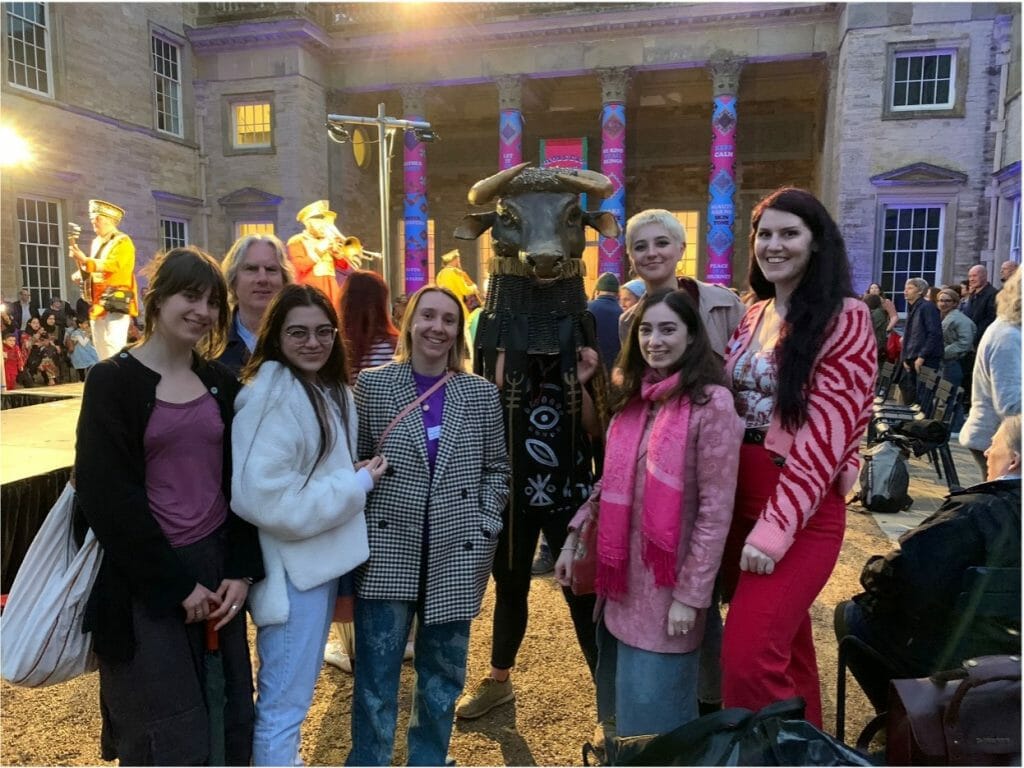
- On Thursday morning I set up a meeting for a group of 9 volunteers based in the Midlands and London who are working with me on a project called Making Mischief, commissioned by the London College of Fashion. The volunteers, all new to oral history, are recording interviews on Folk customs and costumes for an exhibition at the Warwickshire arts venue Compton Verney. We meet regularly on Zoom and have a very useful WhatsApp group. I have trained the group and supported them through practice interviews. They are now conducting their own interviews, online and in person. I spent the afternoon summarising one of those interviews and extracting clips from it for a new Making Mischief exhibition which will open in London in early 2024. https://www.comptonverney.org.uk/event/making-mischief-folk-costume-in-britain/
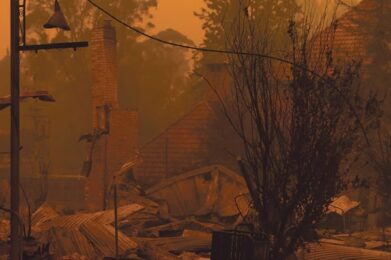
- On Friday I filled in an ‘Expression of Interest’ form as part of a funding application for a project on the effects of flooding in Worcester over the past 60 years. This is a subject close to my heart, having witnessed increasingly extreme flooding in the 30 years that I’ve lived here, and having recorded harrowing stories incidentally when interviewing people on other subjects. I am working with an organisation called DanceFest on this application. Our plans are ambitious, but it would be foolish to say more at this very early stage!
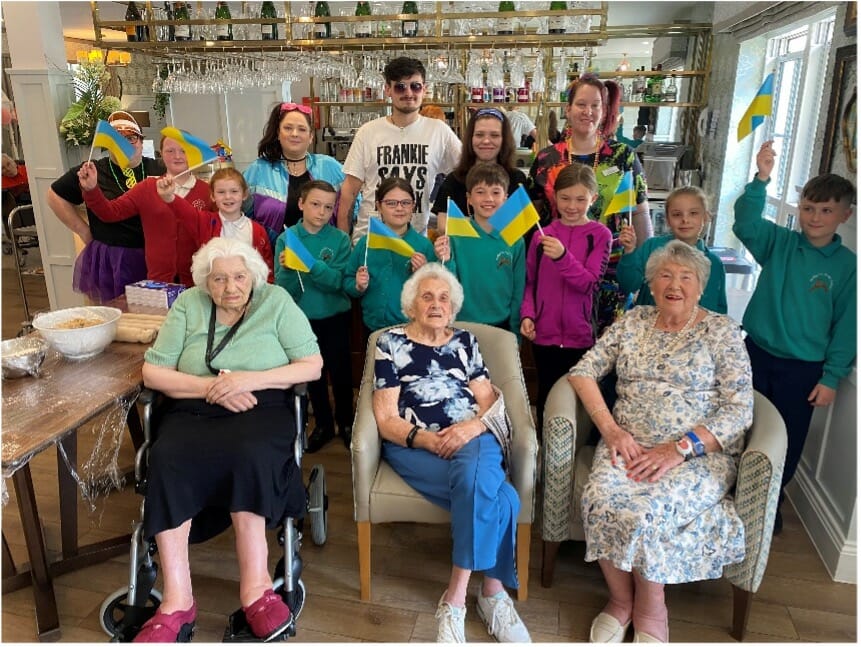
- On Friday afternoon I finalised a film I’ve been making with a group of 8 and 9-year-olds in a local school. We meet every week and create either a podcast or film each half term on a different subject. The broadcasts involve interviewing residents in our local care home and recording their memories on whatever our subject is. This year we’ve discussed the coronation, processed food, the rule of law, and the war in Ukraine. https://www.hindlipfirst.worcs.sch.uk/podcasts
So that’s just three days of my life as an oral historian – always busy, mostly fulfilling, often undervalued, usually underpaid. I raise this not in attempt to get sympathy but to highlight the situation many of us, working as oral historians outside an institutional or academic setting, find ourselves in. We love our jobs but we most certainly don’t do it for the money. We have a crucial role in engaging people, training people, making things happen, being creative, spreading the word and championing oral history and the Oral History Society. We work with schools, care homes, museums, diverse communities, community groups and arts organisations. We are experts in fundraising, training, interviewing, editing, archiving, social media and publicity. On top of this many of us are Regional Networkers for the Oral History Society and you can find us here https://ohs.org.uk/regions/